
Seplat Energy PLC, Nigeria’s leading independent energy company, along with its Joint Venture (“JV”) partner NNPCL has achieved another significant milestone in its commitment towards boosting Nigeria’s domestic energy security and sustainability, by successfully completing the first domestic supply of Liquefied Petroleum Gas (LPG) – Butane from the Bonny River Terminal (BRT) in Rivers State, Nigeria.
This landmark supply involved loading 12,600 metric tons (MT) of LPG for domestic use, marking a pivotal step in the company’s strategic drive to deepen local energy supply and reduce Nigeria’s dependence on imported cooking gas. LPG from BRT had historically always been exported.
Earlier this August, Seplat Energy’s CEO, Roger Brown, had echoed the critical role of indigenous oil and gas companies towards achieving Nigeria’s energy security. He made the call while speaking during a Panel Session themed, “Pioneering the Future of Energy in Africa”, as part of the 50th Anniversary celebration of the Nigerian Association of Petroleum Explorationists (NAPE), noting that, indigenous companies have a much greater responsibility beyond drilling and exporting oil and gas.
“As indigenous companies, we have to create energy security within Nigeria and we have to invest in the next 50 years and beyond. At Seplat we have always believed that domestic gas was going to be very critical. And obviously today, we are seeing a revolution whereby energy security is now being created. We currently have 3 gas plants, which will be operational this year.”
This successful completion of the first domestic supply of Liquefied Petroleum Gas (LPG) is, therefore, part of the company’s wider strategy to improve sufficiency, in the country’s domestic energy supply.
Instructively, both the 300 MMscfd ANOH gas plant in IMO State and the 90 MMscfd Sapele gas plant in Delta State, are equipped with LPG units, capable of producing 120MT per day and 163MT per day respectively. Both plants are expected to be fully operational in Q4 2025.
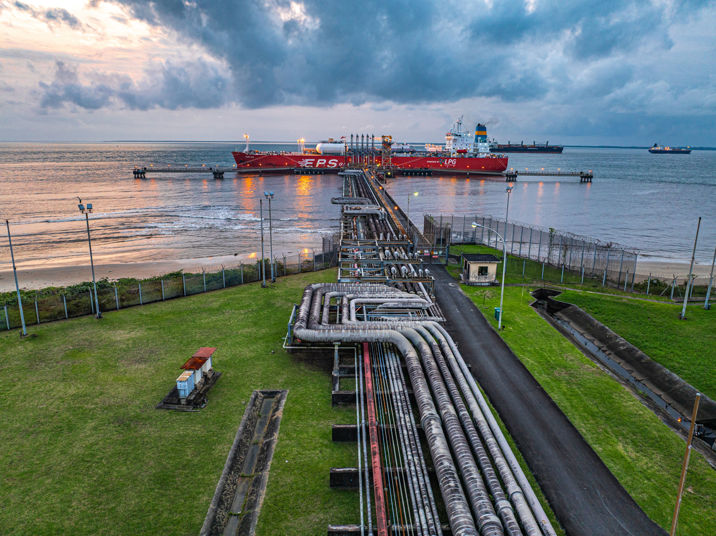
By increasing the availability of locally sourced LPG, Seplat Energy is not only improving energy access to all Nigerians, but also contributing to a substantial reduction in greenhouse gas emissions from traditional cooking fuels, estimated to be used by over 80% of Nigerian households.
As rightly observed by Mr. Brown, “Usage of gas and LPG is on the rise in Nigeria and reliable supply is critical in ensuring energy security in-country, as well as reducing carbon emissions and other harmful air pollutants. At Seplat, we are proud to be driving this transformation, delivering cleaner energy solutions that empower communities and drive inclusive growth.”
Seplat Energy has continued to consolidate its position as a major force behind Nigeria’s clean energy transformation, while also strengthening the country’s long-term energy security, with a strategic combination of infrastructure growth, higher production and financial strength.


